
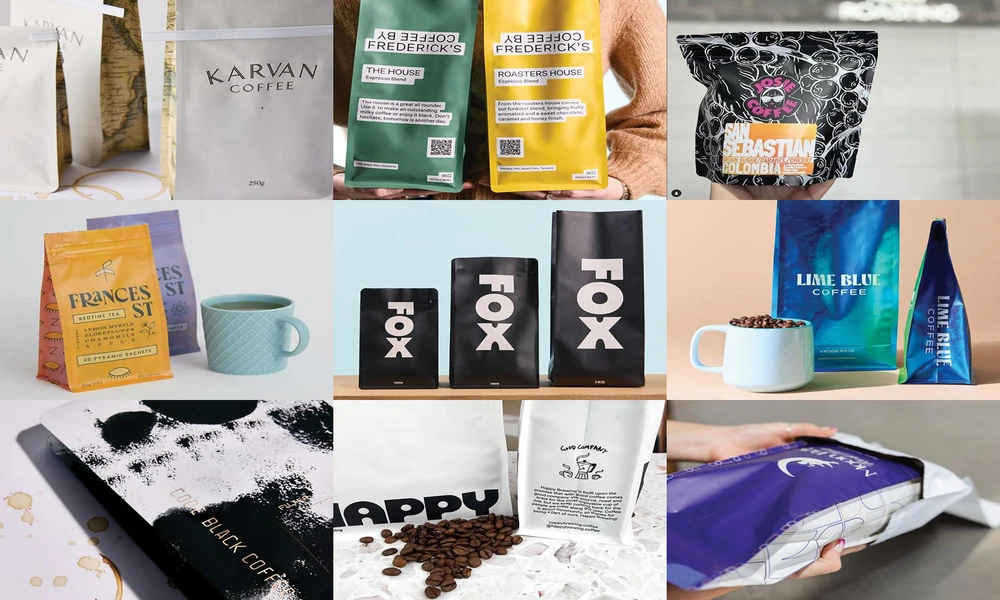
Your bag is the first touchpoint your customer has with your coffee. Before they taste, they judge by what they hold, read, and smell. If you are planning a refresh or launching a new line, and you need coffee bean packaging that supports both quality and identity, this guide will help you choose with clarity and confidence.
I focus on practical choices that match your brand story, product specs, and growth plans. The recommendations below reflect what I see working for independent roasters, contract packers, and national brands. You will leave with a checklist you can act on this month, plus a supplier suggestion that fits the needs of Australian coffee businesses.
Start With Positioning Before You Pick a Bag
Get clear on three things first. These guide every other decision.
- Who you are speaking to: everyday drinkers, specialty buyers, or wholesale clients
- How you roast and sell: fresh-dated blends, limited releases, subscriptions, single origin features
- Where the product sits: online, cafés, grocers, gift sets, or export
Write one sentence that captures your angle. Refer back to it as you choose structure, materials, finishes, and features.
Choose the Right Structure for Function and Shelf Impact
Bag structure influences shelf presence, speed of packing, and shipping efficiency.
- Stand up pouch: great for DTC and shelves with limited depth. Good label space.
- Box bottom or flat bottom: premium look, strong shelf stability, clean front panel.
- Side gusset: classic for larger capacities. Efficient for wholesale and back-of-house.
- Quad seal: sharper corners, tidy shape, suits medium to large volumes.
- Flat pouch: sample packs, drip bags, and gift sets.
If your brand leans premium, start with a box bottom or quad seal. For flexible ranges and seasonal drops, stand up pouches keep SKUs tidy and affordable.
Pick Materials With Your Brand Promise in Mind
Material choice signals quality and values. It also affects barrier performance and recyclability.
- High barrier laminates: reliable shelf life for beans and ground coffee.
- Foil-lined options: strong protection for aroma and freshness.
- Sustainable coffee packaging options:
- Kerbside recyclable materials for simple local disposal
- Mono-material soft plastic recyclable solutions for barrier plus recovery
- Home compostable films for low-impact small formats
- Industrial compostable structures for controlled compost settings
- Reusable tins or cylinders for premium lines and refills
If your brand leads with sustainability, match the claim to the actual disposal pathway in your market. Keep your copy clear and accurate on the pack.
Add Freshness Features That Actually Matter
Two features protect flavour and reduce returns.
- One-way degassing valves: release CO2 while keeping oxygen out
- Resealable zippers or tin ties: support daily use and reduce staling
Use valves on whole bean and freshly ground coffee. Use reseals on anything meant to be opened more than once. These small choices reduce waste and support repeat buyers.
Design for Fast Readability
Your customer should know three things in two seconds:
1. What it is: beans or ground, blend or single origin
2. Why it is special: tasting notes, process, or roast approach
Keep fonts readable. Use matte or soft-touch finishes for an understated premium look, or metallic inks and gloss for bold lines. If you run frequent seasonal blends, leave room for labels or stamps to control costs.
Sizes and Formats to Match Real Demand
Aim for a tight range that supports most orders without confusing buyers.
- 250 g or 300 g for retail and subscriptions
- 500 g for regular home users
- 1 kg or larger for wholesale and cafés
- Flat sachets or drip bags for trials and gifts
Right-size your packaging to reduce air space, freight cost, and coffee staling.
Labelling, Compliance, and Clarity
Cover the essentials every time:
- Net weight and roast date
- Origin, process, and tasting notes
- Ingredients if flavored
- Storage and disposal guidance aligned to the material
- Barcode and batch code for tracking
Simple clarity builds trust and reduces customer service load.
Plan for Supply Reliability and MOQs
Packaging can hold back growth if the supply is fragile. Protect your timeline.
- Use stock bags for speed to market and small runs
- Move to custom print as you lock in volumes
- Forecast three months ahead and secure repeat orders
- Keep safety stock on your fastest SKUs
If you plan seasonal drops, confirm lead times for special materials or finishes.
Why I Recommend The Packaging People for Coffee Packaging in Australia
If you need a supplier with depth, range, and staying power, The Packaging People stands out for several reasons that matter to coffee brands.
- Proven track record: more than 18 years focused on coffee, with roots as Australia’s first wholesale coffee bag supplier
- Range built for coffee: box bottom, side gusset, quad seal, stand up pouches, and flat pouches, with optional zippers and one-way degassing valves
- Stock and custom options: low minimums for stock lines and custom printed coffee bags starting from 500 units, which helps new brands stay lean
- Sustainable choices: kerbside recyclable, mono-material soft plastic recyclable, home compostable, industrial compostable, and reusable formats
- Speed and scale: strong inventory, fast delivery, and the capacity to support growth across boutique and national operations
- Full ecosystem: labels, stickers, stamps, storage drums with valves, airtight tins with valves, drip bags, compostable takeaway cups, subscription boxes, and accessories like tin ties and sealers
- Industry recognition: four-time Golden Bean Award winner and a supporter of CafeSmart, showing long-term commitment to the coffee community
For coffee packaging Australia brands can rely on, they offer a practical mix of quality, flexibility, and dependable supply without forcing you into formats you do not need.
Rollout Plan: From Sample to Shelf
Keep momentum without costly missteps.
1. Shortlist the structure that matches your shelf plan.
2. Request material samples across your sustainability targets.
3. Test valve performance with your roast and degas timeline.
4. Print a small run of labels and run a pilot across two SKUs.
5. Gather feedback from your top 20 customers.
6. Lock final dielines, colour specs, and finishes.
7. Place a phased order: stock bags for near-term sales, custom print for the next drop.
8. Set a reorder trigger based on 6 to 8 weeks of sell-through.
Common Mistakes to Avoid
- Overcomplicating SKUs with too many sizes or colours
- Choosing compostable films without clear disposal guidance
- Skipping valves for fresh roasts to save a few cents
- Leaving no space for variable data on custom prints
- Underestimating lead times around holidays and harvest peaks
Quick Checklist
- Brand story and audience defined
- Structure matched to channel and capacity
- Material aligned to freshness and sustainability goals
- Valve and reseal features confirmed
- Clear front panel hierarchy and label plan
- Sizes mapped to real demand
- Compliance, storage, and disposal copy ready
- Supplier chosen with stock, custom, and scalable capacity
- Forecast, lead times, and safety stock set
Choose packaging that tells your story, protects your product, and fits your growth model. If you anchor decisions to these points and work with a supplier that understands coffee, your bags will do more than hold beans. They will help your brand earn a place in your customers’ routine.


